On-grid
A strong fit when the main goal is daytime bill reduction and grid power is stable
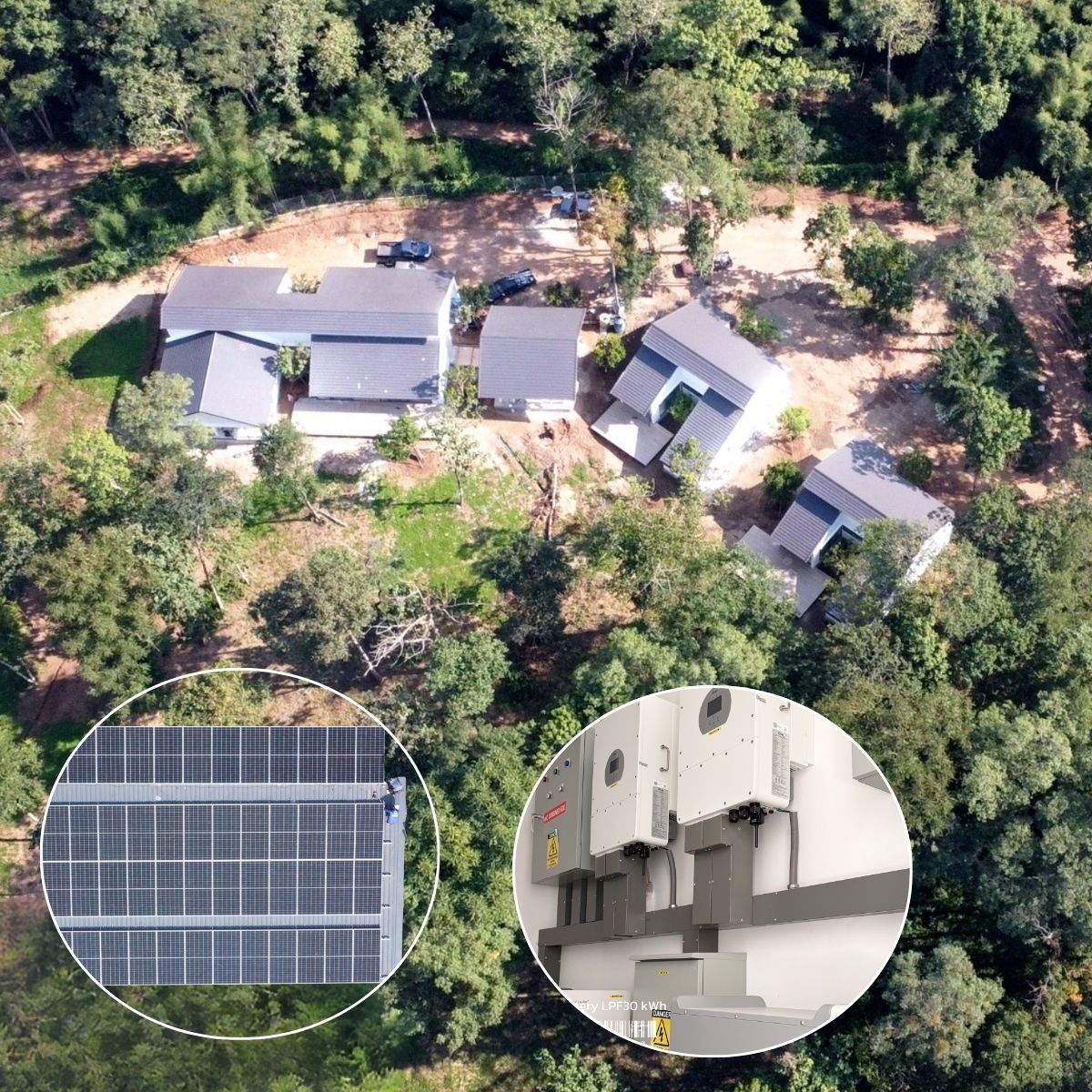
Solar for Home Chiang Mai
Not every home should use the same solar setup. The right answer depends on the electrical service, daytime usage, important loads, and whether backup power is needed.
| Topic | Single-phase | Three-phase |
|---|---|---|
| Typical fit | General residential homes with moderate total load | Homes with larger loads, more circuits, EV charging, pumps, or multiple large air-conditioners |
| What matters | Main breaker size, daytime load, and which circuits matter most | Load balance across phases and how critical circuits are distributed |
| Why it affects solar design | It influences inverter choice and practical system size | It influences inverter choice, switchboard planning, and backup strategy |
A strong fit when the main goal is daytime bill reduction and grid power is stable
Relevant when the home wants both bill reduction and backup power for important circuits
Relevant for remote homes or when dependence on the grid needs to be minimised
If the main goal is lower daytime bills, on-grid may be enough. If important circuits also need backup support, hybrid is often the better fit.
Yes. EV charging is a large electrical load, and charging time strongly affects system sizing and inverter selection.
No. If utility power is still reasonably stable, an on-grid or hybrid system may be more practical. The site should be reviewed first.
If your house includes air-conditioning, EV charging, pumps, a pool, or a home office, Hi Solar Sun Energy can help review which system type makes the most practical sense.
Phone: 094-154-5595
Email: hisolarthailand@gmail.com
LINE OA: @hisolar
Business hours: 08:00–17:00
Service area: Chiang Mai and nearby provinces